
Thrive. For life.

right-arrow
×

MIDDLE WING

Grades VI - VIII
 

Where thinking deepens, values strengthen, and purpose emerges

The Middle Wing deepens core learning through engaging lessons, cross-disciplinary connections, and project-based work. Students are guided to think independently, ask meaningful questions, and work collaboratively. Technology integration becomes more structured with focused learning in coding, design thinking, and foundational AI concepts, encouraging innovation and problem-solving.

Opportunities such as clubs, leadership roles, and electives including Model UN, STEM clubs, and social science expeditions support personal growth, responsibility, and teamwork. Theatre, Art, Music, and Sports continue to play a vital role, helping students explore their interests, build confidence, and develop a strong sense of identity.

The Middle Wing deepens core learning through engaging lessons, cross-disciplinary connections, and project-based work. Students are guided to think independently, ask meaningful questions, and work collaboratively. Technology integration becomes more structured with focused learning in coding, design thinking, and foundational AI concepts, encouraging innovation and problem-solving. Opportunities such as clubs, leadership roles, and electives including Model UN, STEM clubs, and social science expeditions support personal growth, responsibility, and teamwork. Theatre, Art, Music, and Sports continue to play a vital role, helping students explore their interests, build confidence, and develop a strong sense of identity.

wing
 
curriculum
Academics

Grade VI opens the door to more connected and exploratory learning, where ideas link across subjects and understanding grows beyond textbooks. Mathematics takes on a practical approach as students apply arithmetic, algebra, and geometry to real-life situations. Science learning becomes more investigative, with experiments and observations across Life Sciences, Physics, and Chemistry.

In English, learners strengthen communication through literature, storytelling, discussions, and speaking opportunities, while Social Studies encourages inquiry into ancient cultures, geography, and civic systems through projects and dialogue. The curriculum caters to diverse learning strengths, helping students make connections, think independently, and share their ideas with clarity and confidence.

Grade VI opens the door to more connected and exploratory learning, where ideas link across subjects and understanding grows beyond textbooks. Mathematics takes on a practical approach as students apply arithmetic, algebra, and geometry to real-life situations. Science learning becomes more investigative, with experiments and observations across Life Sciences, Physics, and Chemistry.

In English, learners strengthen communication through literature, storytelling, discussions, and speaking opportunities, while Social Studies encourages inquiry into ancient cultures, geography, and civic systems through projects and dialogue. The curriculum caters to diverse learning strengths, helping students make connections, think independently, and share their ideas with clarity and confidence.

In Grade VII, learning gains depth as students engage with concepts through real-world relevance and cross-subject connections. English focuses on strengthening expression through creative writing, collaborative discussions, dramatisation, and purposeful reading. Mathematics advances into algebra, geometry, and data handling, with an emphasis on practical application and logical reasoning.

Science learning is driven by experimentation and observation, allowing students to link theory with real-world phenomena. Social Science builds critical awareness of history, geography, and civic systems, guiding students to recognise patterns and evaluate events thoughtfully.

Teaching combines structured instruction with experiential learning, projects, field visits, and meaningful technology use. Physical education, art, music, and value education remain integral, supporting discipline, balance, and holistic development.

In Grade VII, learning gains depth as students engage with concepts through real-world relevance and cross-subject connections. English focuses on strengthening expression through creative writing, collaborative discussions, dramatisation, and purposeful reading. Mathematics advances into algebra, geometry, and data handling, with an emphasis on practical application and logical reasoning.

Science learning is driven by experimentation and observation, allowing students to link theory with real-world phenomena. Social Science builds critical awareness of history, geography, and civic systems, guiding students to recognise patterns and evaluate events thoughtfully.

Teaching combines structured instruction with experiential learning, projects, field visits, and meaningful technology use. Physical education, art, music, and value education remain integral, supporting discipline, balance, and holistic development.

Grade VIII represents a key shift as students move towards the academic depth and responsibility of senior school. Learning becomes more focused, analytical, and expectation-driven, helping students prepare for the next stage with confidence.

Students learn three languages, with English and Hindi as core subjects and a choice of Spanish, French, German, or Sanskrit as a third language. Mathematics, Science, Social Science, and Computer Studies are taught with an emphasis on strong concepts and clarity of understanding.

Teaching blends structured learning with inquiry-led approaches, encouraging discussion, analysis, and collaboration. Through technology integration, skill-based tasks, and project work, students develop independence, adaptability, and strong problem-solving abilities essential for future academic success.

Grade VIII represents a key shift as students move towards the academic depth and responsibility of senior school. Learning becomes more focused, analytical, and expectation-driven, helping students prepare for the next stage with confidence.

Students learn three languages, with English and Hindi as core subjects and a choice of Spanish, French, German, or Sanskrit as a third language. Mathematics, Science, Social Science, and Computer Studies are taught with an emphasis on strong concepts and clarity of understanding.

Teaching blends structured learning with inquiry-led approaches, encouraging discussion, analysis, and collaboration. Through technology integration, skill-based tasks, and project work, students develop independence, adaptability, and strong problem-solving abilities essential for future academic success.


Experience Goenka

An inside view of learning spaces that challenge thinking, build confidence, and shape individuality

Classroom
Classrooms

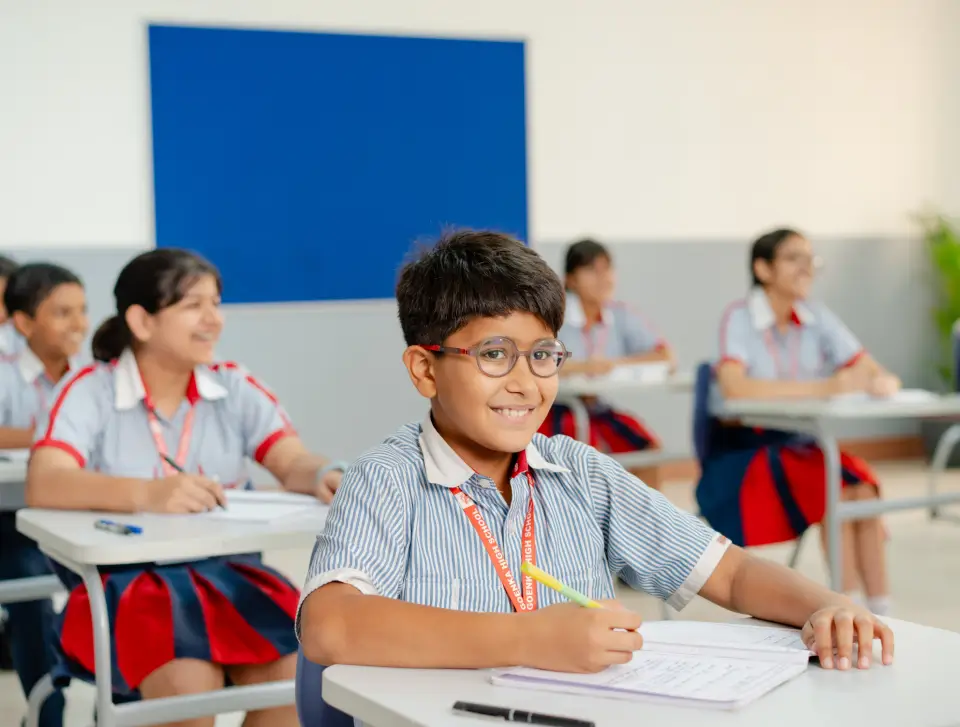
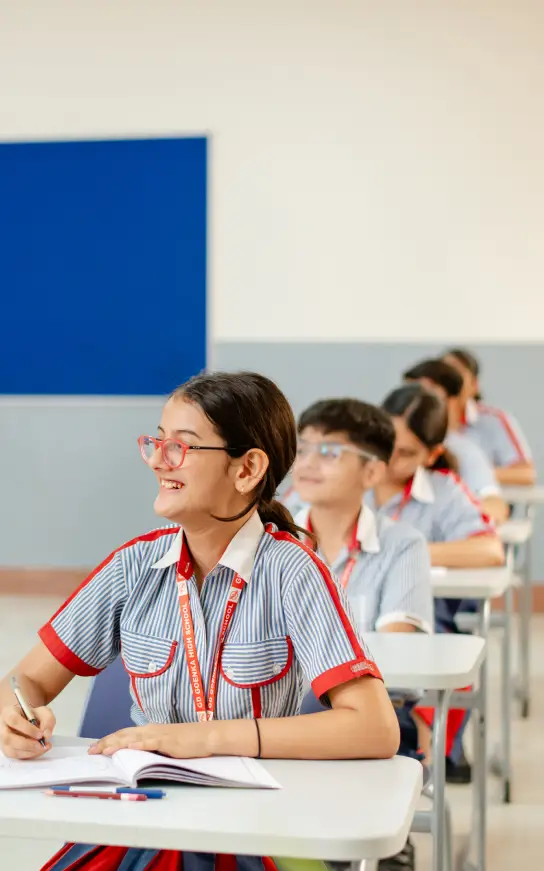
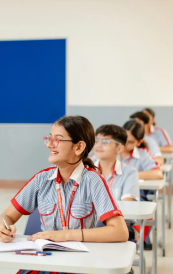
Structured, discussion-led classrooms promote analysis, debate, and independent reasoning, preparing students for assessment-focused learning.

right-arrow-round
Classroom
Library

A dedicated academic resource centre that supports in-depth reading, research skills, and structured writing across subjects.

right-arrow-round
Classroom
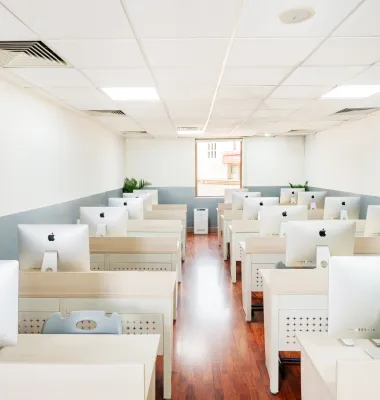
Information & Computer Centre

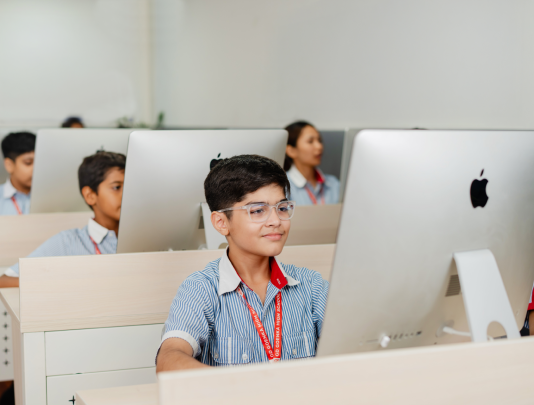
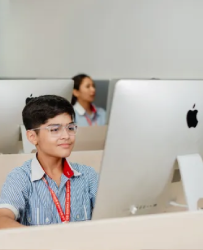
Advanced technology use strengthens research skills, digital ethics, and effective academic presentation.

right-arrow-round
Dance
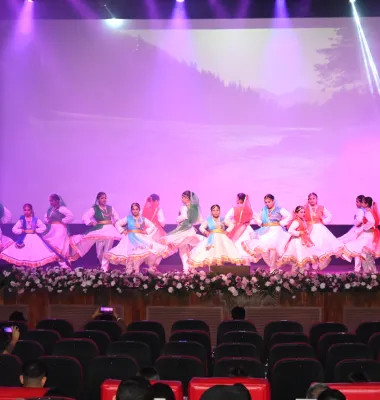
Dance

Focused dance training develops discipline, control, and confident stage expression.

right-arrow-round
Classroom
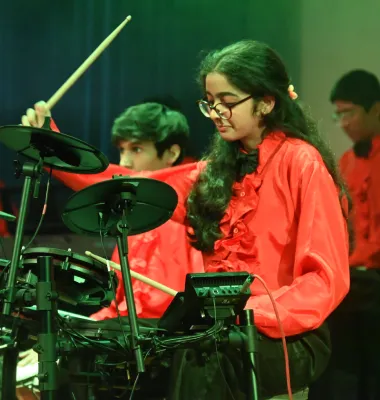
Music

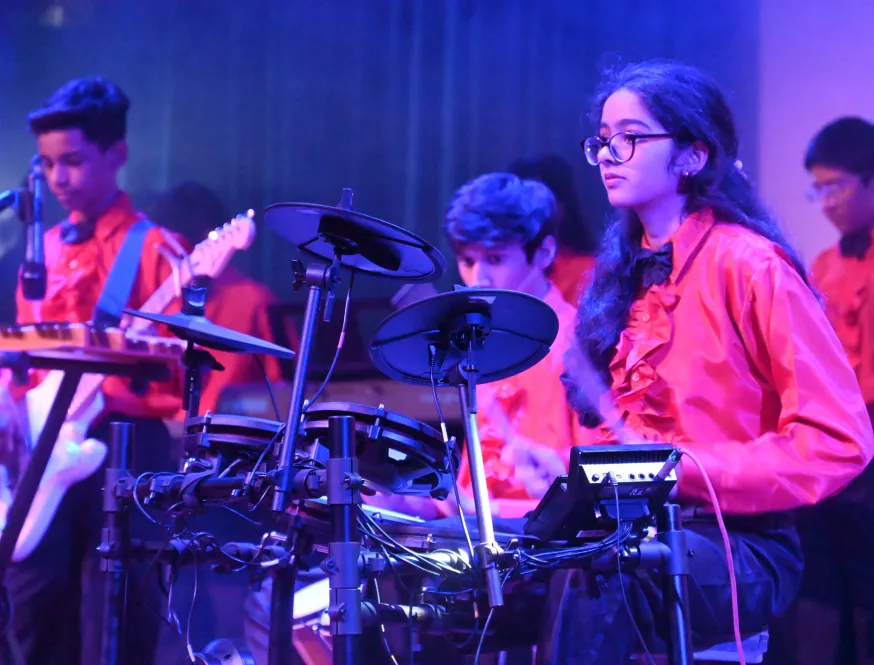
Music programmes encourage creative exploration, teamwork, and performance readiness through guided practice.

right-arrow-round
Classroom
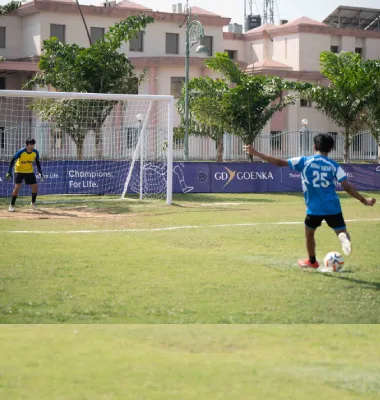
Grow

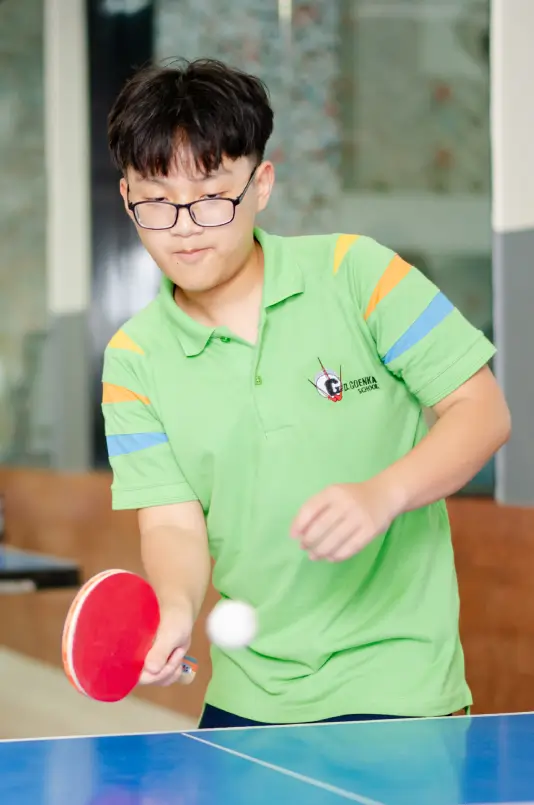
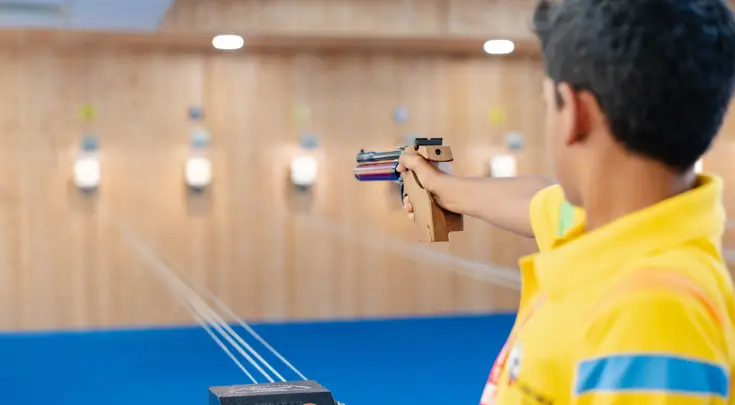
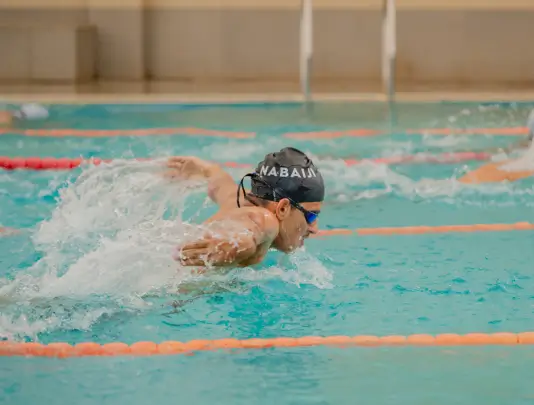
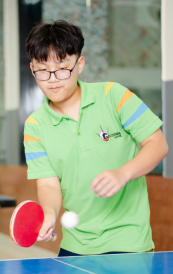
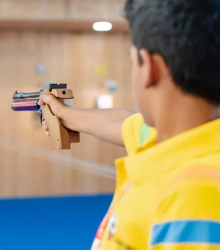
A range of competitive and recreational sports builds stamina, teamwork, leadership, and mental resilience.

right-arrow-round
Classroom
Theatre

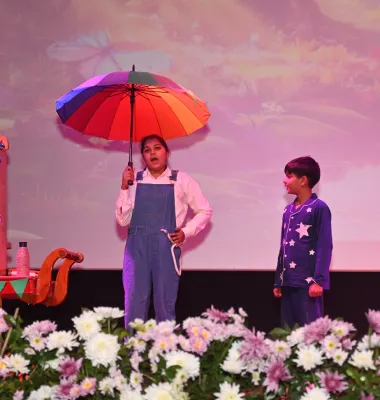
Theatre enhances clarity of expression, confidence, and collaboration through interpretative and performance-based work.

right-arrow-round
parent-engagement
Excursions

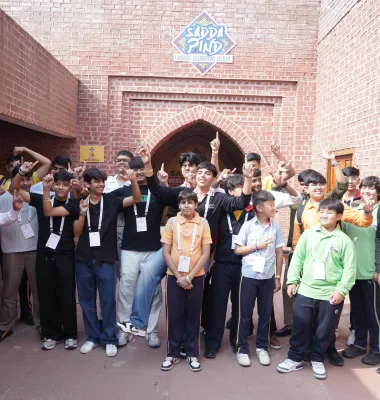
Curriculum-aligned field experiences connect academic learning with real-world application, deepening subject understanding.

right-arrow-round
Enquire Now